
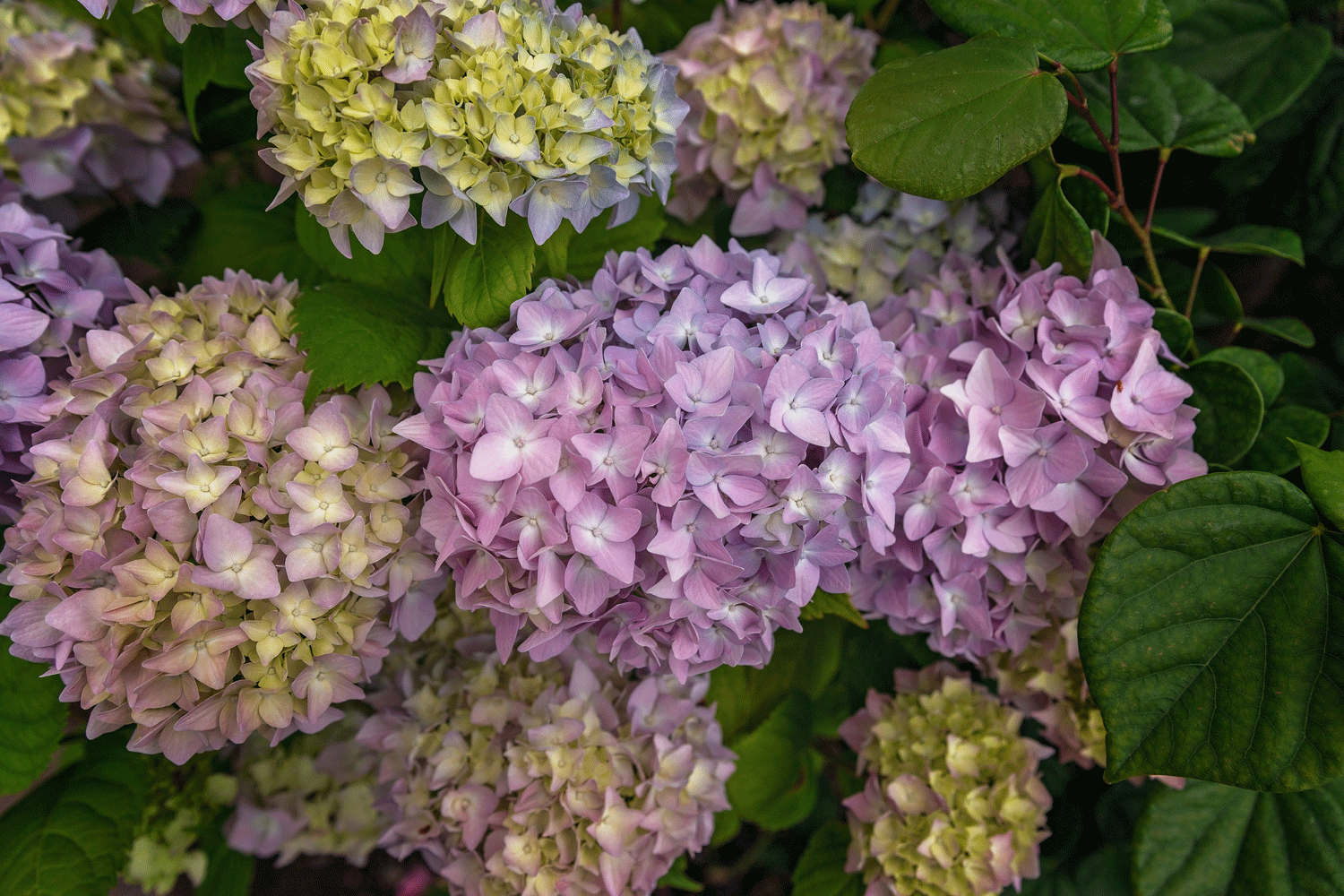
Few plants capture the charm and beauty of the Pacific Northwest garden quite like hydrangeas. With their lush foliage and stunning blooms that last through summer and into fall, these beloved perennials are a gardener’s dream. Whether you’re creating a fresh landscape or adding a showpiece to an established bed, the right hydrangea can offer beauty year after year—and bring that sense of anticipation each spring as you wait for the first buds to appear.
But with so many varieties to choose from, where do you start? At Christianson’s Nursery, we’re here to help you find the perfect match for your garden—and to make sure it thrives in its new home.
Bigleaf Hydrangeas (Hydrangea macrophylla)
Classic, colorful, and crowd-pleasing
These are the hydrangeas most gardeners picture first: big, round flower heads in brilliant shades of pink, blue, or white. Bigleaf hydrangeas are especially happy in moist, rich soils with good drainage. They love morning sun and a bit of afternoon shade, especially during hotter summer days.
A balanced fertilizer (like 20-20-20) in early spring, followed by a second feeding after bloom time, will keep them looking their best. Just remember to keep the soil consistently moist—if it dries out too often, leaves may wilt or drop.
Want to change the color?
You can! Bigleaf hydrangea bloom color is influenced by soil pH:
-
Blue blooms thrive in acidic soil (pH 5.0–5.5)
-
Pink blooms prefer alkaline soil (pH 6.5+)
To turn flowers blue, add aluminum sulfate or iron sulfate to the soil. To encourage pink, try lime or compost.
There are two main types of Bigleaf Hydrangeas:
-
Mophead Hydrangeas
Think big, puffy “pom-pom” flowers. These shrubs grow wide and tall, making them perfect for hedging or planting along fences. On the west coast, they thrive with minimal pruning—just trim lightly after flowering if needed. -
Lacecap Hydrangeas
With delicate, flat-topped clusters, these elegant bloomers offer a shorter but striking display. The outer ring of blooms surrounds a center of tiny fertile flowers, creating a soft and graceful look.
Panicle Hydrangeas (Hydrangea paniculata)
Cone-shaped blooms with lasting power
Panicle hydrangeas are standout performers with their elongated, cone-shaped flowers that can shift in color from white to lime green or even blush pink as the season progresses. Their smaller, daintier petals give them a different texture from the classic Mophead.
Hardy and dependable, they’re a wonderful option for cooler gardens and tolerate a variety of light conditions—from full sun to partial shade.
Smooth Hydrangeas (Hydrangea arborescens)
Low-maintenance and high-impact
These are known for their massive, globe-shaped flower clusters, usually in creamy whites or soft greens. Smooth hydrangeas bloom from early summer to fall and are surprisingly drought-tolerant once established—a bonus for busy gardeners or drier spots in your yard.
Oakleaf Hydrangeas (Hydrangea quercifolia)
Foliage as fabulous as the flowers
Named for their distinctive, oak-like leaves, Oakleaf hydrangeas offer long, cone-shaped flower clusters that start white and gradually turn pink. But the real show begins in fall, when the foliage lights up in shades of red and bronze.
They enjoy part shade but will grow in full sun in cooler areas. A perfect pick for woodland borders or mixed shrub plantings.
Climbing Hydrangeas (Hydrangea petiolaris)
Vertical beauty with seasonal interest
Looking to cover a fence, wall, or trellis? Climbing hydrangeas are a unique choice. With white lace-like flower clusters and golden fall foliage, they provide year-round interest. These climbers enjoy partial sun and appreciate consistent moisture, so be sure to mulch around the base to retain soil dampness during warm months.
Floral Hydrangeas (Gift or Potted Varieties)
A delicate touch that needs care outdoors
You might recognize these from springtime gifts—those cheerful, foil-wrapped hydrangeas that brighten indoor spaces. While they’re lovely indoors, planting them outside requires some patience. They’re often grown in greenhouses and need time to adjust.
If you’re transplanting one outdoors, wait until the weather is warm and stable. Give it a cozy spot with protection from wind and cold, and consider planting it in a pot that can be moved or sheltered in winter. It may take a season or two to settle in before blooming again, but with consistent feeding and care, it can become a long-term garden resident.
Finding Your Perfect Fit
When choosing a hydrangea, think about your garden’s light levels, soil type, and the look you want to achieve. Whether you’re dreaming of a hedge of blue Mopheads or a shady nook brightened by a Climbing variety, there’s a hydrangea that’s just right for your space.
Need help deciding?
Come visit us at Christianson’s Nursery! Our knowledgeable team is always here to answer your questions and help you find the perfect plant for your garden. With the right hydrangea, you’re not just adding beauty—you’re growing something that will delight you season after season.