
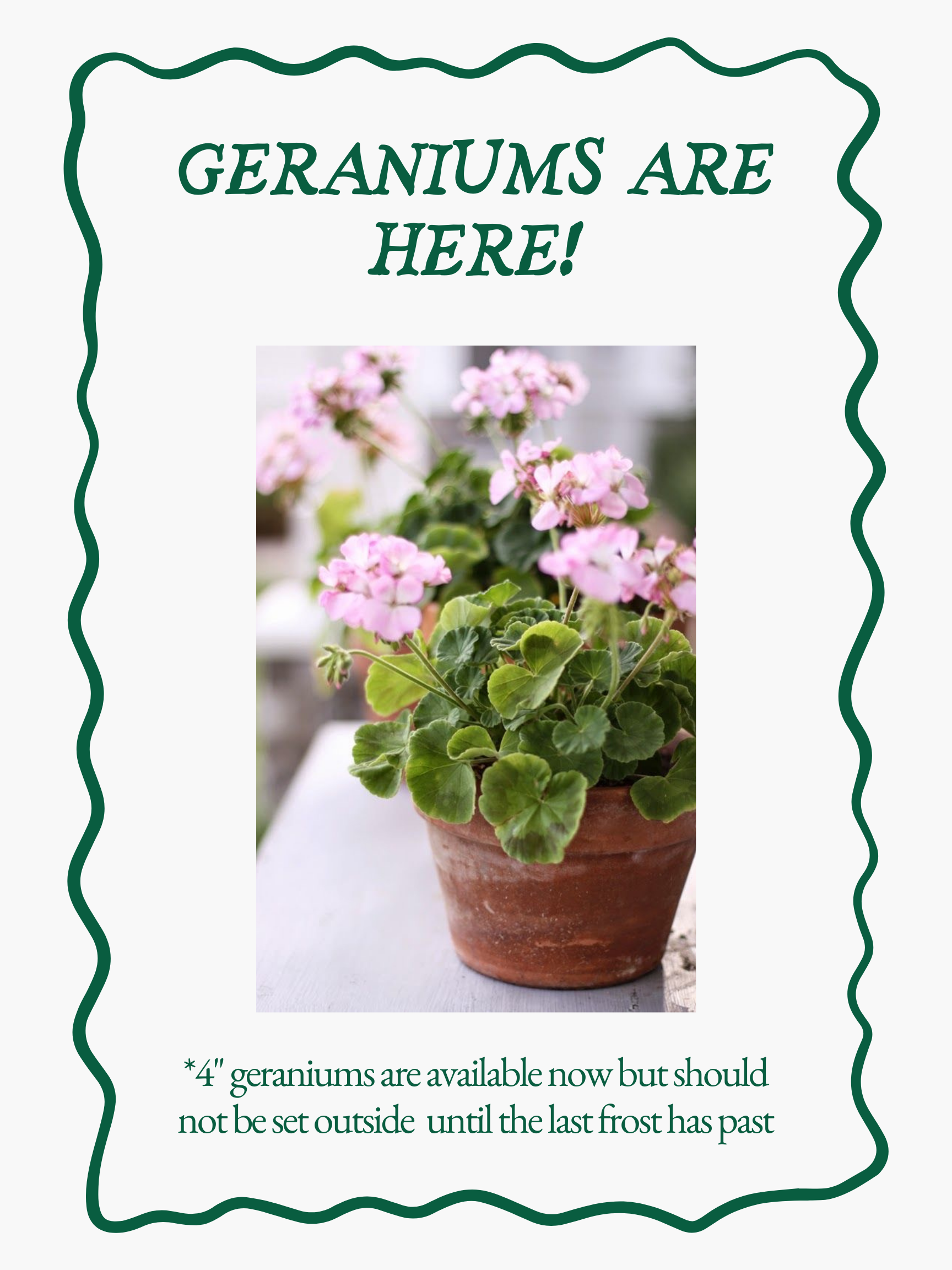
Annual Pelargoniums, commonly known as geraniums, are a popular choice among gardeners for their stunning flowers and versatility. While often referred to as “geraniums,” they are actually a species of Pelargonium, which is a different genus from the true geraniums (Geranium species). Pelargoniums are known for their wide range of vibrant colors, including reds, pinks, whites, and purples, making them perfect for adding a burst of color to gardens, hanging baskets, window boxes, and containers.
One of the main reasons people love growing annual Pelargoniums is their impressive blooming power. These plants typically bloom from spring through fall, producing large, showy clusters of flowers that attract pollinators like bees and butterflies. Pelargoniums are also easy to care for and are fairly low-maintenance, as long as they are planted in well-drained soil and given plenty of sunlight.
While they do well in garden beds and borders, Pelargoniums thrive in containers, allowing gardeners to place them in various spots around their home. Their fragrant, rounded leaves also add to their appeal, releasing a pleasant scent when touched or brushed against. In addition to their aesthetic value, Pelargoniums are known for being resilient to drought, though they still require regular watering to stay healthy.
With a variety of leaf forms and flower shapes available, Pelargoniums can suit different garden styles, from cottage gardens to more formal landscapes. Their ability to grow in various climates and their striking appearance make them a favorite for both beginner and experienced gardeners alike.
Here are some great tips for growing healthy geraniums. Note – it is still too early to leave geraniums out overnight. Wait until the last frost date has passed, which is usually toward the end of April:
-
Provide Plenty of Sunlight: Geraniums thrive in full sunlight, so plant them in a spot that receives at least 6 hours of direct sunlight each day. This helps them bloom abundantly and stay healthy.
-
Well-Drained Soil: Ensure the soil is well-draining to prevent waterlogged roots, which can lead to root rot. If planting in containers, use a good-quality potting mix designed for flowers.
-
Watering: Water geraniums deeply, but allow the soil to dry out between waterings. Overwatering can lead to fungal diseases, while under watering can cause the leaves to wilt.
-
Regular Deadheading: Remove spent flowers regularly (deadheading) to encourage new blooms and keep the plant looking tidy. This also prevents the plant from wasting energy on seed production.
-
Fertilize Monthly: Feed geraniums with a balanced fertilizer once a month during the growing season to promote healthy growth and vibrant flowers. Avoid over-fertilizing, as this can lead to more leaves than blooms.
-
Proper Air Circulation: Space plants properly to allow for good air circulation around them. This helps prevent diseases like powdery mildew and promotes overall plant health.
-
Pruning: Trim back leggy or overgrown stems to encourage a more compact, bushy growth habit. This will also help improve airflow and allow light to reach more parts of the plant.
-
Watch for Pests: Keep an eye out for common pests like aphids, spider mites, or whiteflies. If you spot any, treat the plants with insecticidal soap or a gentle homemade solution like soapy water.